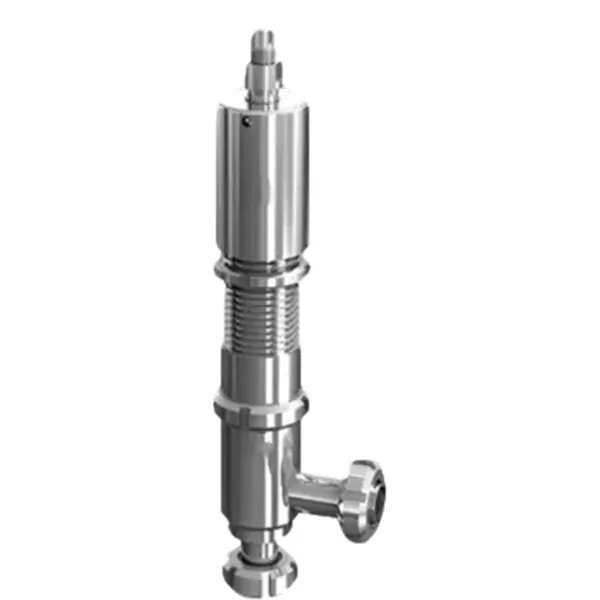
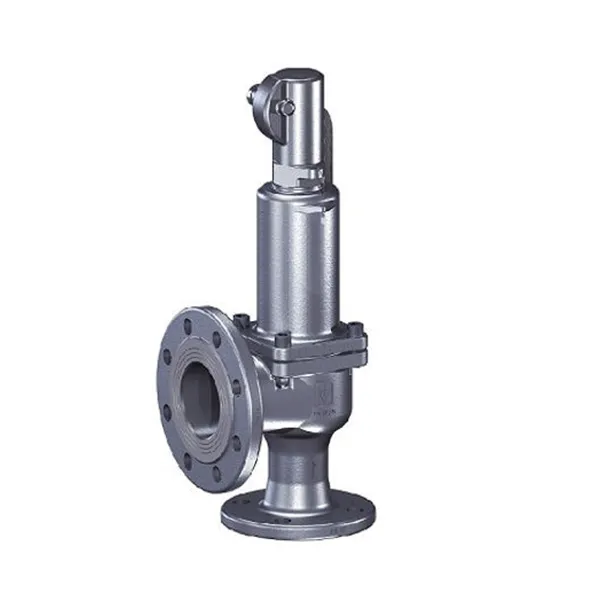
Diversity, quality, and long-term durability are the qualities that have established Negin Steel Alvand as one of Iran’s leading manufacturers and suppliers of stainless steel industrial valves. We take pride in utilizing advanced manufacturing technologies and state-of-the-art production equipment to deliver high-performance stainless steel valves that combine innovation, precision engineering, and exceptional reliability for industrial applications.
At Negin Steel Alvand, we are committed to manufacturing premium-quality, durable stainless steel valves that consistently meet our customers’ expectations. Despite their superior quality, our stainless steel valves are competitively priced, making them an economical choice for businesses with a wide range of budgets. To receive a quotation or obtain the latest stainless steel valve prices, please contact our sales team.

Selecting the right stainless steel industrial valve requires careful evaluation of several important factors. The most important considerations include:
Valve Type: Stainless steel industrial valves are available in a wide range of designs, each developed for specific process requirements. Select a valve type that best matches your application and operating conditions.
Product Quality: Quality is one of the most critical factors when purchasing an industrial valve. Choose products from reputable manufacturers and trusted brands that are known for producing reliable, high-quality equipment.
Valve Performance: Evaluate the valve’s operating performance and ensure it functions smoothly, efficiently, and without defects before purchase.
Trusted Manufacturer: Purchasing stainless steel valves from established manufacturers not only ensures product quality but also helps reduce future maintenance and replacement costs.
After-Sales Support: Make sure the manufacturer provides dependable after-sales service and technical support.
Price: The cost of a stainless steel industrial valve depends on its material grade, manufacturing quality, and brand reputation. Pricing should accurately reflect the product’s quality and reliability.
Factory-Sealed Condition: Verify that the valve is factory sealed and free from any damage. Avoid purchasing products whose original packaging or seal has already been opened.
Stainless steel valves are available in various designs, each intended for specific industrial applications. They are widely used in the food processing, pharmaceutical, chemical processing, and water treatment industries due to their excellent resistance to corrosion, rust, high pressure, and elevated temperatures.
Among the most commonly used stainless steel valves are Three-Way Changeover Valves, Two-Way Changeover Valves, and Pneumatic Butterfly Valves.
Proper maintenance improves valve performance and significantly extends service life. The following maintenance practices are recommended.
Since stainless steel valves are exposed to scale, deposits, and contaminants that can reduce performance and shorten their service life, they should be cleaned regularly.
Dry the stainless steel valve after each use to prevent water spots and mineral deposits from forming. A soft cloth or microfiber towel is recommended.
Do not use harsh chemicals or abrasive cleaning agents such as bleach, ammonia, or vinegar, as they may damage the stainless steel surface.
Handle the valve carefully during cleaning. Avoid abrasive pads and coarse sponges that may scratch the surface.
Inspect stainless steel valves regularly and repair any leaks immediately to prevent operational issues and equipment damage.
Install stainless steel valves correctly using appropriate fittings and connections to ensure reliable operation and minimize potential failures.
Avoid striking or subjecting the valve to impact during cleaning, maintenance, or installation.
Because of their hygienic design, excellent corrosion resistance, and long service life, stainless steel valves are extensively used across the food processing, pharmaceutical, and chemical industries.
In the food industry, stainless steel valves are used to control the flow of food products, beverages, and dairy products throughout processing and production lines. Their smooth, non-porous surfaces help prevent bacterial accumulation while allowing easy cleaning and sanitization, making them essential for maintaining food safety and hygiene.
In pharmaceutical manufacturing, stainless steel valves help prevent product contamination and maintain the integrity and quality of pharmaceutical products. In chemical processing, they are used to control the flow of acids, alkalis, and other corrosive chemicals while minimizing leakage and contamination throughout the production process.
Industrial valves are manufactured from various grades of stainless steel, with 304 and 316 stainless steel being the most widely used materials.
Both grades offer excellent resistance to corrosion and rust because of their chromium content. However, the primary difference is the addition of molybdenum in 316 stainless steel, which provides significantly improved resistance to corrosion, particularly in aggressive environments.
Compared with 316 stainless steel, 304 stainless steel offers lower resistance to chlorides and corrosive chemicals. Grade 304 is typically used in applications requiring moderate corrosion resistance, while Grade 316 is preferred for food processing, pharmaceutical, and chemical industries where superior corrosion resistance is essential.
As a result, 316 stainless steel industrial valves are generally more expensive than those manufactured from 304 stainless steel.

Because of their superior performance, stainless steel industrial valves are widely preferred over valves made from other materials in food processing, pharmaceutical, and chemical industries.
Thanks to their chromium content, stainless steel valves provide significantly better resistance to corrosion and rust than cast iron, brass, and carbon steel valves.
Outstanding corrosion resistance enables stainless steel industrial valves to deliver greater durability and a longer operational lifespan than many alternative valve materials.
Unlike many conventional valves, stainless steel valves feature smooth, non-porous surfaces that inhibit bacterial growth. This makes them particularly suitable for hygienic industries where strict sanitation standards are required, especially food processing.
Although stainless steel industrial valves generally have a higher initial purchase cost due to the use of premium materials, their extended service life and lower maintenance requirements result in reduced long-term operating costs.
Stainless steel valves are manufactured using alloying elements including chromium, nickel, molybdenum, manganese, silicon, phosphorus, sulfur, and carbon, each contributing to the mechanical strength, corrosion resistance, and overall performance of the finished product.
Negin Steel Alvand is recognized as one of Iran’s leading manufacturers of stainless steel industrial valves. Supported by an experienced engineering team and advanced manufacturing technology, we produce premium-quality stainless steel valves that meet the demanding requirements of modern industrial applications. Our technical expertise, manufacturing experience, and commitment to quality ensure outstanding performance, long service life, and dependable operation across a wide range of industries.